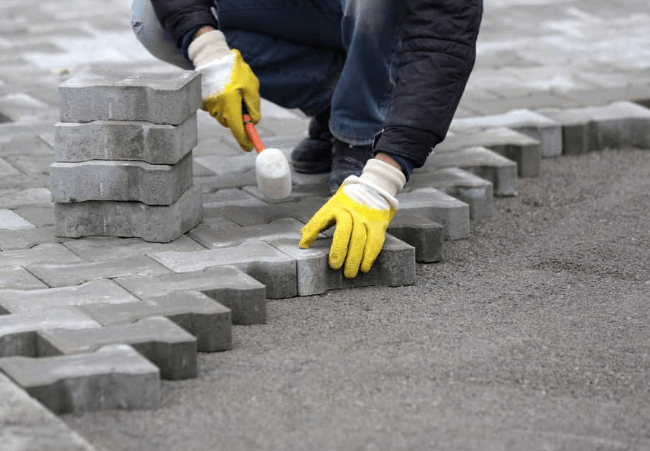
In the evolving arena of construction, sustainability has become a cardinal principle guiding development choices. One promising innovation in this domain is permeable concrete. This material has risen to prominence due to its environmental benefits and practical applications in modern construction methodologies.
Understanding Permeable Concrete
Permeable concrete, also known as pervious or porous concrete, is a special type of concrete with high porosity. It is formulated to allow water to pass through it. This feature makes it distinct from traditional concrete, which can create runoff problems and lead to increased water pooling.
Environmental Benefits
One of the primary advantages of incorporating permeable concrete into construction projects is its capability to reduce water runoff. By allowing water to permeate through surfaces, it aids in recharging groundwater levels. This permeability helps in mitigating flood risks in urban areas by reducing the burden on drainage systems.
Furthermore, permeable concrete plays a significant role in lessening urban heat islands. Traditional impervious surfaces absorb and retain heat, while permeable concrete facilitates cooler surfaces by allowing ambient air circulation and water infiltration.
Applications in Urban Planning
The utilisation of permeable concrete is increasingly being recognised in urban planning. It is especially beneficial in areas prone to flooding or where managing stormwater is a constant challenge. It is ideal for car parks, walkways, and other surfaces where control of water runoff can significantly impact environmental sustainability.
Car Parks and Walkways
Car parks and walkways are quintessential examples of how permeable concrete can be applied effectively. These areas frequently contribute to significant water runoff due to their expansive surface coverage. By implementing permeable surfaces, rainwater can be absorbed, decreasing surface runoff and promoting the natural water cycle.
Maintenance and Longevity
Permeable concrete requires distinct maintenance protocols compared to its traditional counterpart. Regular cleansing to avoid clogging is essential for maintaining its permeability and functionality. Despite these requirements, the long-term benefits, including durability and lower impact on stormwater systems, outweigh the maintenance efforts.
See also: Best SEO Company in Riyadh: Proven Strategies to Grow Your Business Online
Economic Considerations
While the initial cost of permeable concrete installation may be higher than traditional methods, the economic advantages in terms of lifespan, maintenance costs, and environmental impact mitigation make it a viable investment. The reduction in the need for extensive drainage systems and related infrastructure provides long-term savings for urban developments.
Permeable Concrete and Legislation
With increasing awareness of climate change and environmental sustainability, permeable concrete is being considered in policy-making circles. Legislative directives are encouraging or mandating the use of such sustainable materials in certain regions, supporting the transition towards eco-friendly urban infrastructure.
Incentives for Sustainable Building
Governments and organisations are beginning to offer incentives to encourage developments that use sustainable materials like permeable concrete. Such incentives not only aid in offsetting the initial installation costs but also promote broader adoption of eco-friendly practices in construction.
The Future of Construction
As the construction industry continues to evolve, embracing sustainable materials such as permeable concrete will become increasingly imperative. Its ability to address environmental challenges while providing practical construction solutions makes it a cornerstone of modern urban development. The integration of such technologies reflects a shift towards a more sustainable and responsible approach to construction.
Conclusion
In conclusion, the benefits of permeable concrete extend beyond its physical properties to encompass environmental, economic, and legislative dimensions. By adopting permeable concrete, the construction industry can significantly contribute to sustainability efforts and pave the way for future advancements in eco-conscious building practices.