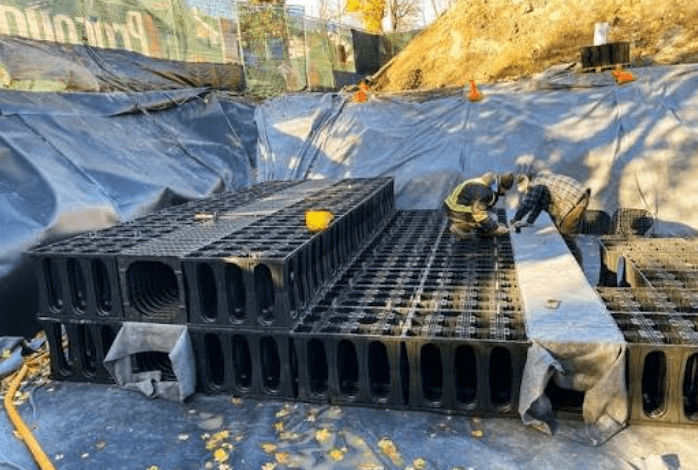
As urbanisation continues to transform landscapes, the role of detention tanks in managing stormwater effectively becomes increasingly important. These tanks play a pivotal role in reducing the impact of excess rainfall on both infrastructure and the environment. By temporarily holding rainwater, detention tanks prevent flooding, control erosion, and facilitate groundwater replenishment.
Understanding Detention Tanks
Detention tanks, often referred to as dry ponds or holding tanks, are structures designed to store rainwater temporarily. Unlike retention ponds, which hold water indefinitely, detention tanks release water at a controlled rate. This gradual discharge mitigates the risk of overwhelming drainage systems and reduces the strain on local water treatment facilities.
The Need for Efficient Stormwater Management
Stormwater management has become a crucial aspect of urban planning, especially in regions prone to heavy rainfall. Uncontrolled stormwater runoff can lead to infrastructure damage, water pollution, and ecosystem disruption. Detention tanks offer an effective solution by managing the flow and volume of stormwater in a controlled manner.
Benefits of Detention Tanks
Detention tanks offer numerous benefits that contribute to efficient stormwater management. Firstly, they help in flood prevention by temporarily holding back excess rainwater. This function is especially crucial in urban areas where impervious surfaces exacerbate runoff. Additionally, detention tanks assist in reducing the risk of erosion by controlling the flow of water into natural watercourses.
Environmental Impact
By controlling the flow of stormwater, detention tanks help to minimise the ecological impact of urban areas on nearby ecosystems. Releasing water slowly allows for better absorption into the ground, supporting groundwater recharge and maintaining the health of local flora and fauna.
Application in Urban Settings
In densely populated areas, integrating detention tanks into the infrastructure helps manage stormwater more sustainably. They can be installed underground or above ground, depending on space and design considerations. Underground tanks are particularly beneficial in urban settings where space is limited.
Design and Installation Considerations
The design of detention tanks must take into account the expected volume of stormwater, site-specific conditions, and regulatory requirements. Proper sizing and placement are essential to maximise efficiency and functionality. Professional input is often required to ensure compliance with local guidelines and standards.
Materials and Construction
Detention tanks can be constructed from a variety of materials, including concrete, steel, and plastic. The choice of material depends on factors such as budget, expected lifespan, and environmental conditions. Each material offers distinct advantages in terms of durability, cost, and maintenance.
Maintenance Requirements
Regular maintenance is critical to ensure detention tanks continue to function effectively. Inspections for blockages, sediment build-up, and structural integrity should be conducted routinely. Maintenance efforts help to prevent overflow and ensure the longevity of the system.
Cost Considerations
The cost of installing and maintaining detention tanks can vary depending on size, materials, and installation complexity. While the initial investment may be significant, the long-term benefits in preventing flood damage and managing water resources can offset the costs over time.
See also: How Boyce Agribusiness Consultant Services Transform Modern Farming Practices
Regulatory Compliance
Installing detention tanks often requires adherence to local regulations and codes. Understanding these requirements is crucial to ensure compliance and avoid potential fines or legal issues. Collaboration with regulatory bodies can facilitate a smoother approval and installation process.
Technological Advancements
Recent technological advancements have improved the efficiency and functionality of detention tanks. Innovations such as smart technology enable real-time monitoring and control of water levels, optimising performance and ensuring effective stormwater management.
Case Studies and Examples
Successful implementation of detention tanks in cities around the world highlights their effectiveness. Case studies provide valuable insights into best practices and demonstrate the potential applications of these systems in diverse urban environments.
The Future of Stormwater Management
As climate change intensifies weather patterns, the importance of effective stormwater management will continue to grow. Detention tanks are poised to play a critical role in future-proofing urban environments against the challenges posed by extreme weather events.
Conclusion
Detention tanks are an essential component of modern stormwater management strategies. By alleviating the adverse effects of stormwater runoff, they contribute to the resilience and sustainability of urban areas. Investments in detention tank systems not only protect infrastructure but also preserve natural resources and ecosystems.