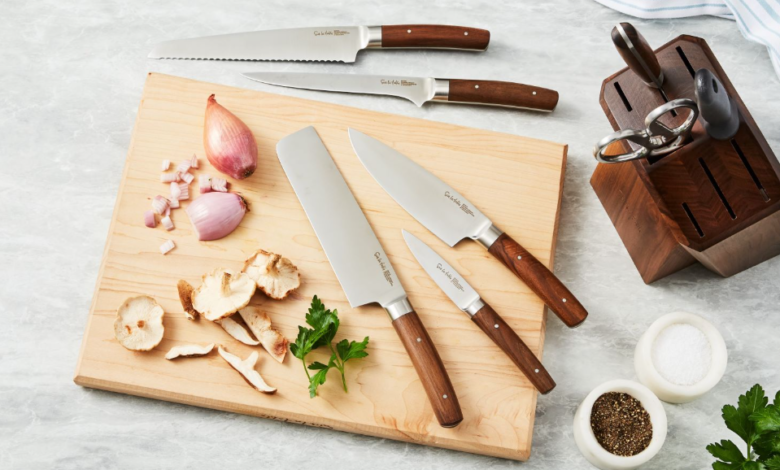
For anyone passionate about cooking, selecting the right knife set is crucial. A well-chosen knife set not only enhances efficiency but also enriches the culinary experience. With a plethora of options available, understanding which knives are best for specific tasks can make all the difference.
Understanding Different Types of Knives
There are several types of knives, each designed for a particular purpose. Chef’s knives are versatile and can handle a majority of tasks, from chopping vegetables to cutting meats. On the other hand, bread knives, with their serrated edges, are perfect for slicing through crusty loaves without crushing them.
Chef’s Knife
The chef’s knife is fundamental to any set and is lauded for its versatility. Typically ranging from 8 to 10 inches in length, it is suitable for slicing, dicing, and chopping various ingredients. A quality chef’s knife will have a balanced feel, making it a comfortable option for lengthy meal preparations.
Bread Knife
Bread knives feature long serrated blades, ideal for slicing bread. Their design ensures a clean cut through the crust without squashing the airy interior. They are also excellent for cutting through the tough rinds of fruits like melon or pineapple.
See also: Home Window Replacement That Pays Off in Energy Savings
Specialised Knives for Precision
While general-purpose knives are essential, specialised knives offer precision for specific tasks. Pairing knives, for instance, are small and allow for intricate work such as peeling and trimming.
Paring Knife
These knives are smaller, typically 3 to 4 inches long, ideal for delicate tasks such as peeling or coring. They offer control and precision, indispensable for detailed work.
Santoku Knife
The Santoku knife is a popular choice, originating from Japan. It excels in chopping, slicing, and mincing, often featuring a granton edge that prevents food from sticking to the blade.
Choosing the Right Knife Material
The material of a knife profoundly affects its performance and longevity. Stainless steel is commonly used for its durability and resistance to rust and corrosion, while carbon steel is prized for its sharp edge retention.
Stainless Steel vs. Carbon Steel
Stainless steel knives are praised for their resilience and ease of maintenance. However, they may require frequent sharpening. In contrast, carbon steel knives hold a sharp edge longer and are appreciated by professional chefs, though they require more care to prevent rust.
The Importance of a Knife Block or Storage
Proper storage is vital to maintain the quality and condition of knives. A knife block not only organises your knives but also protects their blades, ensuring they remain sharp and effective.
Magnetic Strips
Magnetic strips are versatile and offer modern storage solutions. By keeping knives visible and easily accessible, they encourage regular use and proper care.
Conclusion: Selecting the Ideal Knife Set
Ultimately, selecting the perfect knife set depends on individual culinary preferences and needs. Understanding the types of knives and their purposes can guide the purchase of a functional and comprehensive set. Investing in quality materials and appropriate storage solutions ensures longevity and satisfaction in the kitchen. Whether one is a novice cook or a seasoned chef, the right knife set can elevate the cooking experience to new heights.