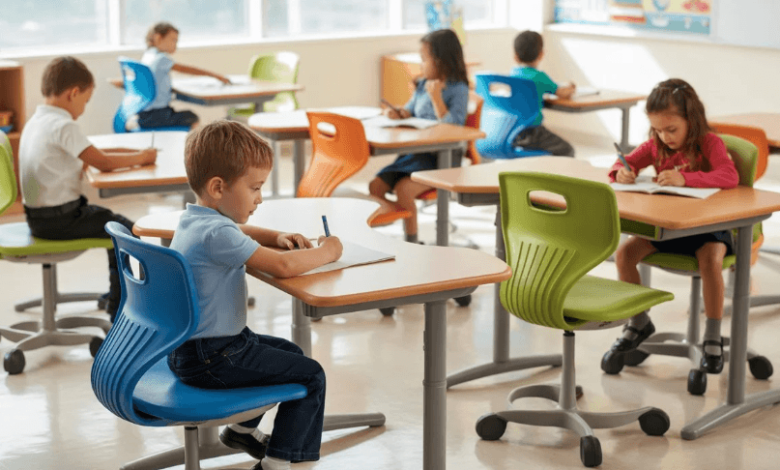
In contemporary educational settings, the importance of ergonomic and durable classroom furniture cannot be overstated. Such furniture plays a critical role in promoting student comfort, enhancing concentration, and supporting overall well-being. Institutions seeking to create optimal learning environments must prioritise furniture solutions that combine functionality with longevity.
One of the key considerations in selecting classroom furniture is ergonomics. Ergonomic furniture is designed to support the natural posture of students, reducing strain on the body during extended periods of sitting. This approach helps to prevent discomfort and potential musculoskeletal issues, thereby fostering a more conducive learning atmosphere. For those interested in exploring a range of options, classroom furniture collections offer various ergonomic designs tailored to modern educational needs.
Benefits of Ergonomic Classroom Furniture
Ergonomic classroom furniture offers numerous benefits beyond comfort. It facilitates improved focus and engagement by minimising distractions caused by physical discomfort. Additionally, such furniture supports healthy physical development in children and adolescents by encouraging proper posture. This is particularly important in environments where students spend several hours seated each day.
Moreover, ergonomic designs often incorporate adjustable features, allowing furniture to be customised to suit different body sizes and learning activities. This adaptability ensures inclusivity and accommodates diverse student populations.
Durability as a Crucial Factor
Durability is another essential attribute of classroom furniture. Educational institutions require furniture that can withstand frequent use and the occasional impact inherent in active learning environments. Durable furniture reduces the need for frequent replacements, thereby offering cost-effectiveness over time.
Materials used in durable classroom furniture typically include high-quality metals, robust plastics, and treated wood. These materials resist wear and tear, stains, and damage from cleaning agents. Furniture designed with durability in mind also often features reinforced joints and sturdy frames to enhance stability and safety.
Design Considerations for Modern Educational Environments
Modern classrooms demand furniture that supports various teaching methodologies, including collaborative learning, individual study, and technology integration. Flexible furniture solutions such as modular desks and stackable chairs enable educators to reconfigure spaces quickly to suit different activities.
Additionally, contemporary designs often prioritise aesthetics alongside functionality. Furniture with clean lines and neutral colours can create an inviting and professional atmosphere that positively influences student motivation and behaviour.
Incorporating Technology
As technology becomes increasingly integral to education, classroom furniture must accommodate devices such as laptops, tablets, and interactive whiteboards. Features like cable management systems, power outlets, and adjustable surfaces enhance usability and organisation within the classroom.
Safety Standards and Compliance
Furniture used in educational settings must comply with relevant safety standards to protect students and staff. This includes ensuring stability to prevent tipping, using non-toxic materials, and avoiding sharp edges. Adherence to these standards is vital in creating a secure learning environment.
Environmental Considerations
With growing awareness of environmental sustainability, many educational institutions seek furniture solutions that are eco-friendly. This includes products made from recycled or sustainably sourced materials and those designed for easy disassembly and recycling at the end of their lifecycle.
Choosing environmentally responsible furniture not only reduces the ecological footprint of educational facilities but also serves as a practical example of sustainability principles for students.
Maintenance and Longevity
Proper maintenance is essential to maximise the lifespan of classroom furniture. Durable finishes and stain-resistant surfaces simplify cleaning and upkeep, ensuring that furniture retains its appearance and functionality over time.
Educational institutions should establish regular maintenance protocols and provide training for staff to handle furniture appropriately, thereby preventing premature damage.
Cost Considerations
While ergonomic and durable furniture may involve a higher initial investment, the long-term benefits justify the expenditure. Reduced replacement costs, improved student performance, and enhanced safety contribute to overall value.
Institutions should evaluate furniture options based on total cost of ownership rather than solely on upfront price.
Conclusion
Ergonomic and durable classroom furniture solutions are fundamental to the success of modern educational environments. By prioritising comfort, adaptability, safety, and sustainability, schools can create spaces that support effective teaching and learning. Exploring specialised classroom furniture collections is a practical step towards achieving these goals.