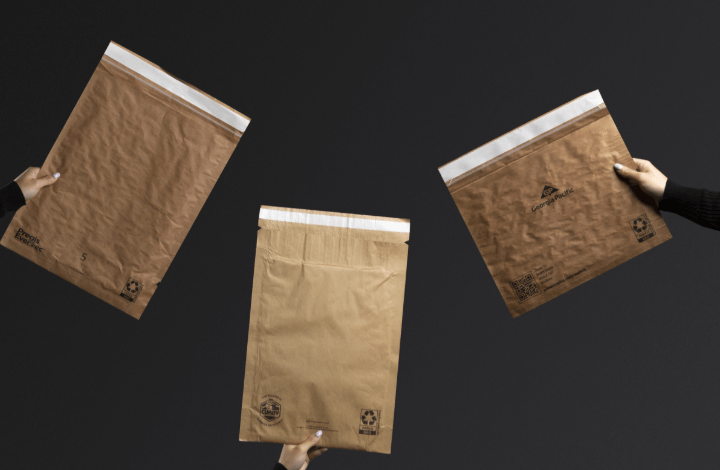
The increasing awareness around environmental issues and the urgent need to adopt sustainable practices have driven many businesses to explore more eco-friendly options. Among various efforts, the use of compostable mailers is gaining traction as an effective solution to mitigate the adverse impacts of traditional packaging.
Understanding Compostable Mailers
Compostable mailers are designed to break down naturally in a composting environment, turning into nutrient-rich soil. They are predominantly made from natural materials such as cornstarch or PLA (polylactic acid), which decompose within a few months in commercial composting facilities.
The Environmental Impact of Traditional Mailers
Traditional mailers, often made from plastic, contribute significantly to environmental pollution. Plastic packaging can take hundreds of years to decompose, leading to increased landfill waste and ocean pollution. By switching to compostable alternatives, companies can reduce their carbon footprint and contribute to cleaner ecosystems.
Benefits of Compostable Mailers
Compostable mailers offer numerous benefits over conventional packaging. These include reducing plastic waste, lowering greenhouse gas emissions during breakdown, and adding value to the soil through composting. Moreover, they resonate with environmentally conscious consumers who prefer sustainable products.
Consumer Demand for Sustainable Packaging
Today’s consumers are more aware and concerned about sustainability. They are actively seeking brands that align with their environmental values. By adopting compostable packaging, businesses can attract and retain these eco-minded customers.
Challenges and Solutions in Implementing Compostable Packaging
One of the primary challenges in using compostable mailers is their cost, which can be higher than traditional options. However, as demand grows and production technologies advance, prices are expected to decrease. Additionally, educating consumers about proper disposal methods is crucial to maximise the environmental benefits of compostable packaging.
Comparing Biodegradable and Compostable Packaging
It is important to differentiate between biodegradable and compostable packaging. While both are designed to break down, compostable materials require specific conditions to decompose quickly. Biodegradable products, on the other hand, can take longer and may not break down as completely as compostable ones.
Regulatory Standards and Certifications
To ensure quality and environmental compliance, compostable mailers should meet certain standards and certifications. Standards such as ASTM D6400 or EN 13432 guarantee that the products will decompose in an industrial composting facility. Businesses should seek these certifications when selecting compostable packaging options.
The Role of Technology and Innovation
Advancements in material science and packaging technology have made it possible to develop high-performance compostable mailers that meet the durability and protection needs of products. Continued research and innovation will further enhance the sustainability and functionality of these products.
Case Studies of Successful Adoption
Several companies have successfully integrated compostable mailers into their shipping operations. These organisations have reported positive feedback from customers and increased brand loyalty, underscoring the tangible business benefits of sustainable packaging.
Future Prospects of Compostable Packaging
The future of packaging is undoubtedly leaning towards sustainability. As global environmental consciousness rises, the demand for compostable solutions is set to increase, with compostable mailers at the forefront of this movement. Businesses that embrace this shift will be well-positioned as leaders in environmentally responsible practices.
How Companies Can Transition to Compostable Mailers
Companies looking to transition to compostable mailers should start by assessing their current packaging needs and evaluating suitable compostable options. Partnering with reputable suppliers and utilising eco-certifications can aid in a smooth transition, ensuring that the new packaging meets both environmental goals and functional requirements.
Educating Consumers About Compostable Mailers
Educating consumers on how to properly dispose of compostable mailers is essential. Providing clear instructions and raising awareness can enhance the effectiveness of the sustainable measures and reinforce brand commitment to environmental responsibility.
The Economic Implications of Sustainable Packaging
While the initial investment in compostable mailers may be higher, the long-term economic benefits include potential cost savings from waste reduction and increased consumer trust, which can lead to greater sales and market share in the eco-conscious consumer segment.
Closing Thoughts
The shift towards compostable mailers is not merely a trend but a necessary evolution in packaging. By investing in sustainable solutions, businesses can play a significant role in protecting the environment and meet the growing demand for eco-friendly products, creating a positive impact for future generations.