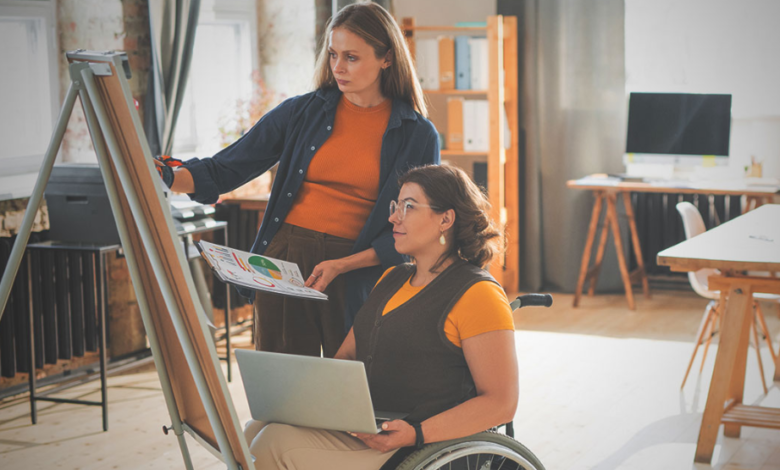
Disability day programs play a crucial role in supporting individuals with disabilities by promoting independence, skill development, and social integration. Organisations like Disability Day Program focus on enhancing lives through carefully tailored activities and support. These programs are designed to cater to diverse needs, ensuring that participants receive personalised care and opportunities to grow.
Understanding Disability Day Programs
Disability day programs provide structured activities for individuals with disabilities, aiming to improve their quality of life. These programs offer a safe and supportive environment where participants can learn new skills, participate in recreational activities, and build social connections. The ultimate goal is to empower individuals to lead fulfilling lives as active community members.
The Importance of Skill Development
Skill development is a cornerstone of disability day programs. These programs often include workshops and activities that focus on developing life skills, vocational skills, and communication abilities. By participating in these activities, individuals can improve their self-esteem and gain a sense of accomplishment.
See also: Transforming Healthcare Spaces: Expert Medical Fitouts in Sydney
Life Skills
Life skills training is essential, as it helps individuals become more self-sufficient. This aspect of disability day programs may include cooking, budgeting, and personal hygiene classes. Such skills are vital for participants to manage daily tasks independently and confidently.
Vocational Skills
For those who are able and willing to work, vocational training is provided to prepare participants for potential employment opportunities. This training can include various skill sets, such as computer literacy, job interview preparation, and work experience placements.
Communication Skills
Effective communication is critical for social integration and building relationships. Programs often include activities that enhance verbal and non-verbal communication skills, helping participants express themselves more clearly and interact with others positively.
Social Interaction and Community Engagement
Facilitating social interaction is another significant aspect of disability day programs. Regular participation in these programs allows individuals to meet new people, build friendships, and engage in their communities. Through group activities and community outings, participants can enhance their social networks and feel more included in society.
Health and Wellbeing
Maintaining physical and mental health is important for individuals in disability day programs. Many programs include components that focus on physical exercises, dietary education, and mental health support. Holistic wellbeing ensures that participants can enjoy a higher quality of life and improved health outcomes.
Innovative Approaches in Disability Day Programs
Incorporating innovative approaches such as technology-assisted learning and creative arts can enrich the experience of participants. These activities offer unique ways to engage individuals, catering to various interests and abilities. By exploring new technologies and artistic expressions, participants can discover new passions and develop diverse skills.
Challenges Faced by Disability Day Programs
Like any support service, disability day programs encounter challenges. These may include funding constraints, staff shortages, and the need for continuous programme improvement. Addressing these issues is essential to ensure that high-quality services are consistently provided to participants.
The Role of Caregivers and Staff
The success of disability day programs largely depends on the dedication and expertise of caregivers and staff. Their ability to create a supportive, respectful, and nurturing environment is crucial for participants to thrive. Ongoing professional development and training are vital for staff to remain effective and responsive to the evolving needs of participants.
Customising Programs for Individual Needs
Personalisation is key in disability day programs to meet the unique needs of each participant. By tailoring activities to individual abilities, interests, and goals, these programs can provide more meaningful and impactful support. Regular assessments and adjustments ensure that participants continue to benefit from the services offered.
The Future of Disability Day Programs
As societal attitudes towards inclusivity and accessibility continue to improve, disability day programs are expected to evolve, incorporating more advanced technologies and approaches. By embracing change and innovation, these programs can further enhance the lives of individuals with disabilities, offering them even greater opportunities for personal growth and community involvement.
Disability day programs are instrumental in supporting individuals with disabilities, ensuring they can lead enriched lives. By focusing on skill development, social interaction, and personalised care, these programs provide essential support that empowers participants to reach their full potential.