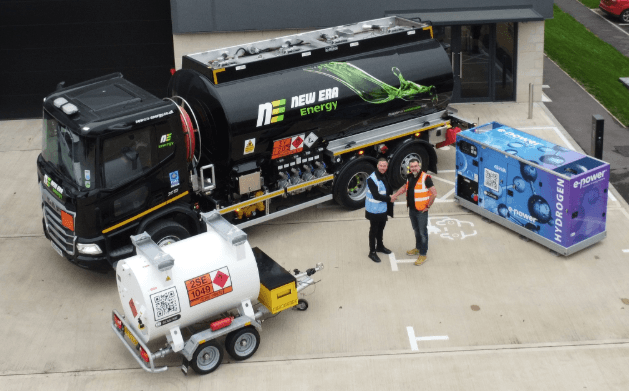
The role of Commercial Fuel Distributors in the global energy landscape is both pivotal and transformative. As the world transitions towards sustainable energy solutions, these distributors are at the forefront of enabling change, offering innovative and flexible energy options to meet evolving demands.
The Evolution of the Energy Sector
Historically, the energy sector was dominated by large oil corporations. However, recent years have seen a shift towards smaller, more agile commercial fuel distributors who are capable of delivering tailored solutions. These distributors have become key players in the provision of alternative fuels and are critical in supporting both traditional and renewable energy infrastructures.
Adapting to Renewable Energy Sources
The shift from fossil fuels to renewable energy sources presents significant opportunities for commercial fuel distributors. With their established networks and expertise in logistics, they are well-positioned to integrate renewable energy sources into their supply chains. This not only helps in reducing carbon footprints but also ensures energy security and stability.
The Impact of Technological Advancements
Technology has played a crucial role in redefining the operations of commercial fuel distributors. Innovations in logistics, supply chain management, and fuel delivery systems have enhanced efficiency and reduced operational costs. This technological prowess allows distributors to offer competitive pricing and superior service to their clients.
Logistics and Efficiency
Commercial fuel distribution relies heavily on efficient logistics. Distributors invest in state-of-the-art systems that allow for precise tracking and management of fuel deliveries. This ensures that clients receive their fuels on time, which is essential for industries that rely on a consistent energy supply.
Challenges Facing Commercial Fuel Distributors
Despite the opportunities, commercial fuel distributors face several challenges. These include regulatory changes, fluctuating fuel prices, and the need for continual investment in technology and infrastructure. Navigating these challenges requires strategic planning and a robust understanding of market dynamics.
Environmental Considerations
The increasing awareness of environmental issues places additional pressure on fuel distributors to adopt green practices. Many are investing in cleaner technologies and alternative fuels, such as biofuels and hydrogen, to meet regulatory requirements and consumer expectations.
Future Prospects
The future of commercial fuel distributors is promising, with the potential for growth in both traditional and renewable sectors. As technology advances and demand for alternative fuels rises, distributors who can adapt will continue to play a vital role in the energy supply chain.
The Role of Policy and Regulation
Government policies and regulations significantly impact the operations of commercial fuel distributors. Subsidies for renewable energy sources and carbon taxes on traditional fuels are just two examples of how policy can influence distributor strategies. Staying informed and compliant with these regulations is essential for long-term success.
See also: Navigating Australian Immigration: Your Guide to Finding the Best Lawyers in Sydney
Collaborations and Partnerships
Strategic collaborations with technology firms and renewable energy companies are beneficial for fuel distributors. These partnerships provide access to new markets and innovations, facilitating the transition to a more sustainable energy model.
Customer-Centric Approaches
Commercial fuel distributors increasingly focus on customer-centric strategies. By understanding client needs and providing customised fuel solutions, they enhance customer satisfaction and build lasting relationships. This approach is critical in a competitive marketplace.
Investment in Research and Development
Investment in research and development is crucial for distributors aiming to lead in the energy transition. By exploring new technologies and fuel sources, distributors can offer innovative solutions and maintain competitive advantage.
The Importance of Skilled Workforce
A skilled workforce is vital for the success of commercial fuel distributors. Training and development programs help employees stay abreast of industry changes and emerging technologies, enabling them to deliver top-notch service.
Global Market Expansion
Expanding into global markets is a strategy many commercial fuel distributors are adopting. By reaching out to international markets, they can diversify their client base and mitigate risks associated with domestic market fluctuations.
Conclusion
Commercial fuel distributors are key players in the future of energy. Their ability to adapt to new energy demands, leverage technology, and maintain efficient logistics systems positions them at the forefront of energy innovation. As the world moves towards a sustainable future, these distributors will continue to power industries and drive global economic growth.